When Supplement Label Copy Doesn’t Fit: Compare the Bottle, Label and Carton
Start with a plain, actual-size wrap on the bottle you intend to sell. If the approved text, reading order and code areas work after you reclaim space from decorative elements, stay with that format. If they still do not fit, compare a container with a larger usable panel, an extended-content label or an outer carton. Make the comparison using the package customers will receive and the surfaces they can access at the right time. A flat proof showing all the words is only the first check.
The purchase decision is where the information will live. That decision changes the container and label references, the application work and sometimes the number of components you must buy. It belongs in the project brief before the final dieline and production artwork are released.
Mark what must be readable before you move any text
Ask the buyer’s authorized reviewer to identify the intended market, retail configuration and approved copy. Record where each block is allowed to appear and when the reader needs access to it. Separate product identity, approved information, code areas and optional brand material. Keep any undecided placement visibly marked as pending. A new carton or a layer under the front panel does not authorize moving text there.
For a U.S. project, the FDA’s dietary supplement labeling guide is a starting point for discussing display and information panels with the responsible reviewer. Have that reviewer check the applicable requirements for the actual package. Use this guide to compare physical formats, not to decide which regulatory content may move or whether a package complies.
Print the candidate label at its intended size. Wrap it around the actual bottle and mark the seam, the straight wall available for the label, and any ribs or changes in curvature. Hold the bottle as a shopper would and turn it to find the next block of information. If the approved table splits across a seam, the product identifier rolls out of view, or a code sits where a neighboring panel will cover it, note which requirement failed. An area calculation alone cannot resolve those placements.
Compare options against the same reading task
Give each route the same approved source and the same description of what the reader needs to do. Change the package or the label construction, then compare what each route adds to the quote and to the work at the packing line.
| Route | What to put on the table | When to stop |
|---|---|---|
| Keep a single wrap | An actual-size proof on the current bottle after moving or reducing optional design elements | The seam, curvature or remaining space still interferes with the approved information or code |
| Use a bottle with more usable area | A real candidate bottle, a revised flat proof and the packer’s check against its current setup | The proposed bottle gains nominal capacity but little usable panel, or the packaging owner has not accepted the change |
| Evaluate a layered label | A surface map showing which text remains exposed and which text sits on each inner panel, plus an identified physical specimen | The reviewer has not approved the panel placement, the sample is unrepresentative, or the reader cannot use it as intended |
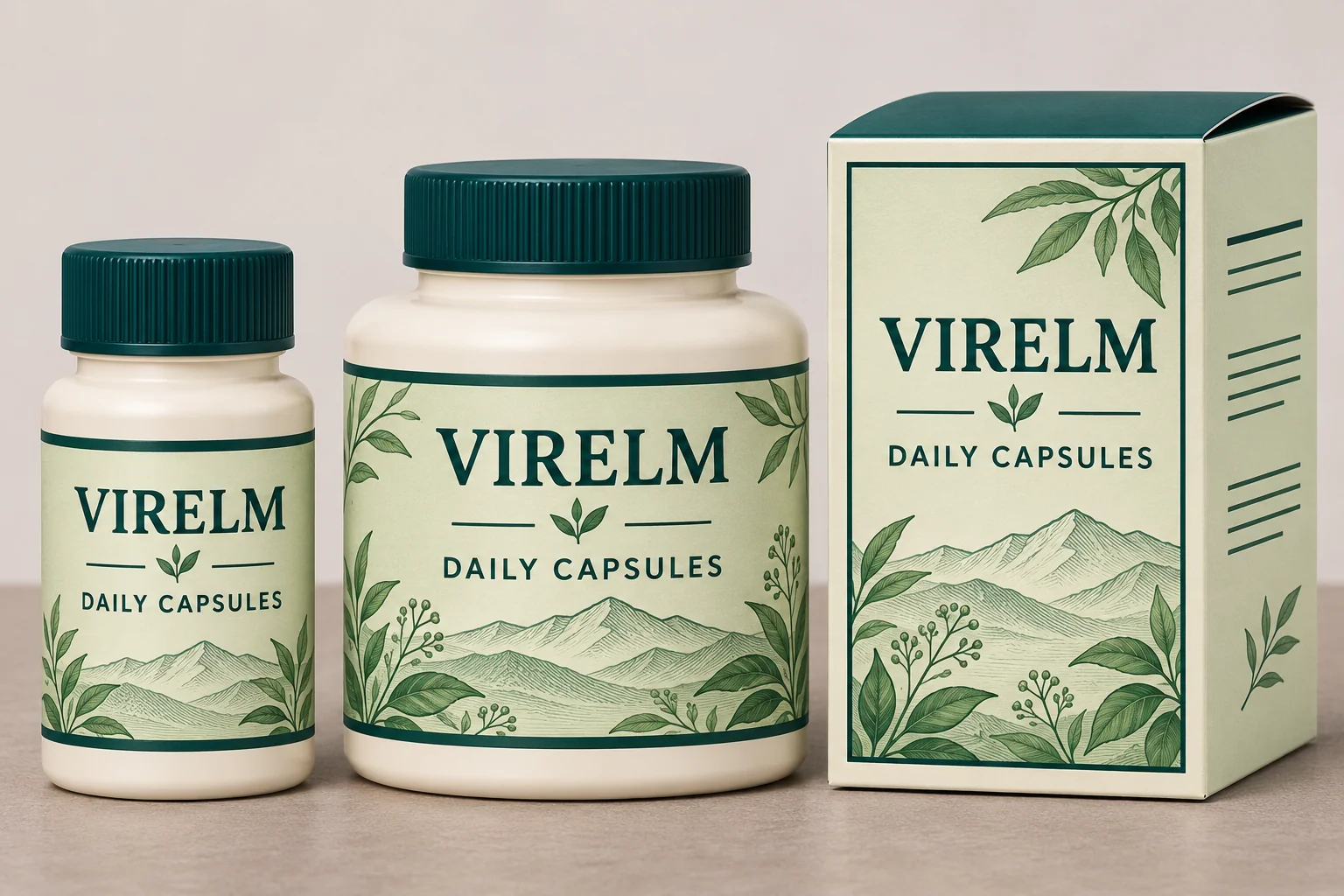
| Evaluate a bottle and outer carton | A mock-up of both components, showing the approved placement for the actual unit sold and for what remains after unboxing | The carton is absent in a sales configuration that depends on it, or the required information would no longer be accessible |
A wider jar can win when information must stay with the bottle and a regular label remains practical for the packer. Check whether the usable straight band actually grows; a wider shoulder or deeper recess adds no usable area for a straight body label. If the bottle change affects the carton, tray or application equipment, ask the relevant owners to check those interfaces before buying the new label.
A layered construction deserves review when the bottle must stay and the responsible reviewer accepts how the information is distributed across the surfaces. Resource Label Group’s booklet label examples illustrate one format that adds attached printed surfaces. Ask the proposed supplier which construction is available and what its physical sample represents. The peel-back access guide offers a separate check for opening and reading once a layered format is under consideration.
A carton can be worth evaluating when it belongs to the retail pack and a flat panel serves an approved reading task. If some units are also sold as individual bottles, review that configuration separately. Check what stays with the bottle after the carton is discarded. Ask the packaging owner and carton supplier to confirm their work separately from the bottle-label quote.
Price the same completed package
For each remaining route, write down the bottle reference, the label construction, the number of designs, the quantity per design and who applies each component. Identify the costs or approvals still open: a different bottle, a representative printed sample, a packing trial or a carton order. Compare proposals at the same point in the process, such as a complete labeled retail unit ready for packing. The cheapest label quote may leave the buyer with an unpriced assembly step. A carton the buyer already uses may also make the comparison different from a carton added solely to solve the space problem.
Keep a simple release record for the chosen route. Identify the approved copy source, the bottle and carton references where applicable, the exact print revision and any physical specimen used to check reading and fit. If a proposed change moves an approved block of copy, return it to the content reviewer. If it changes the usable panel or application setup, return it to the packaging owner. Stop the label order if either review remains open. A print approval on one component does not clear an unresolved change elsewhere in the package.
Questions to settle before ordering
What if only one product in a range runs out of room? Test that product’s approved copy on its own package before changing every design. If you keep two package formats, confirm what that means for per-design quantities, the packer’s setup and stock identification.
Can a carton photo substitute for a pack mock-up? It can help identify candidate panels. It does not show whether a fold hides the planned copy, the bottle fits or the information remains available when the carton is removed.
Can the team request a price before the final artwork is ready? Ask for a provisional quote against named package and label assumptions. Identify the layout and construction still under review so an estimate for one route is not mistaken for approval to order it.
Review custom supplement bottle and jar labels for the adhesive label options. Request a bottle-label fit and printing quote with the bottle reference or straight-wall measurements, an actual-size proof or approved copy map, the packing format and quantity per design. Mark the area that does not fit and identify any carton or layered option that is still under review.