Clear Vial Label Rolls: Check Detection Before Approving the Main Run
Separate detecting the label gap from reading a printed mark, identify the existing sensing arrangement, and review the actual proposed web rather than a loose appearance sample.

Practical RP Labels guides to custom label sizing, materials, application formats and packaging verification.
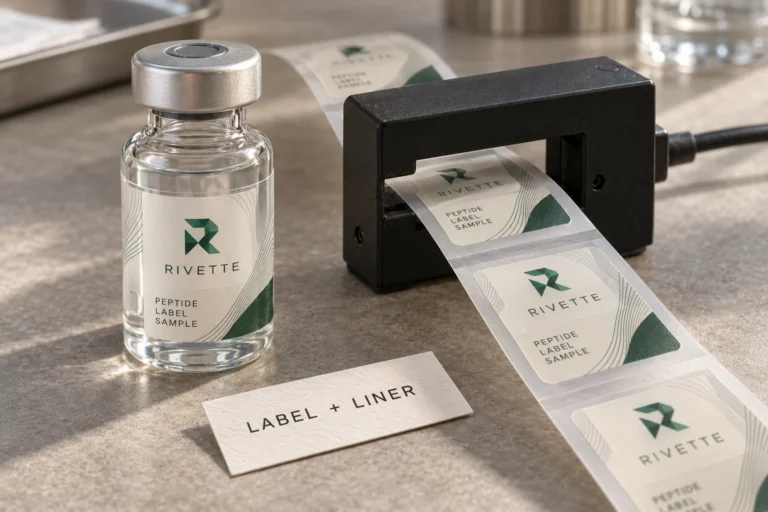
Separate detecting the label gap from reading a printed mark, identify the existing sensing arrangement, and review the actual proposed web rather than a loose appearance sample.

Define the inspection unit, lot boundaries, characteristic and agreed decision rule before selecting a plan; distinguish informal screening from statistical acceptance.

Decide whether vial label texture should be seen or felt. Compare actual-size raised candidates with flat printed patterns and confirm the offered route.

Compare vial label varnish and laminate by the actual added layer, coverage and later marking needs. Keep finish appearance separate from performance.

Specify vial label contours, backing edges and delivered units separately. Compare larger carriers with individually backed pieces before ordering.
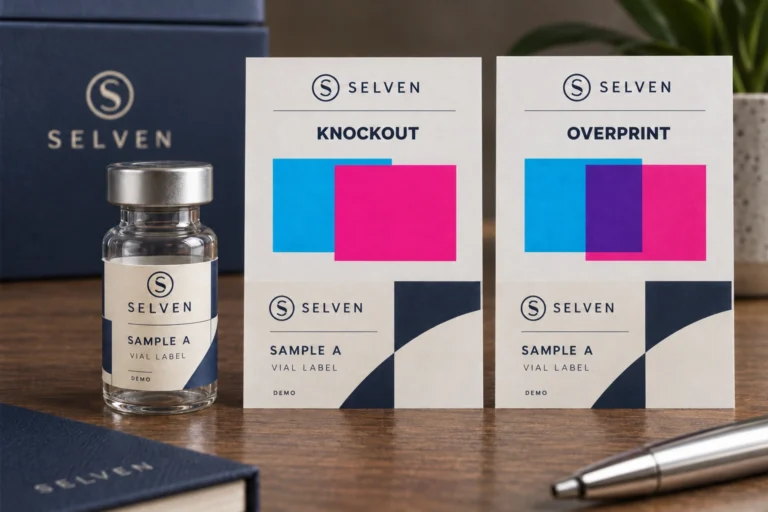
Review vial-label overprint and knockout by locating the object, comparing output-aware views and confirming the intended artwork before release.

Choose vial-label codes around the receiving task, approved data and actual system. Separate decoding, payload accuracy and application acceptance.
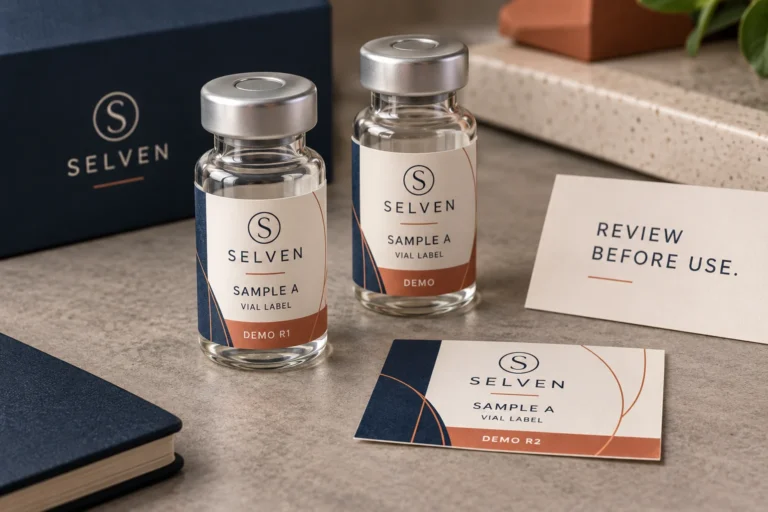
Review existing vial labels before ordering replacements. Separate coverage, opacity, receiving surface and authorization from an attractive mock-up.

Compare outsourced and in-house vial label printing using design mix, preparation, usable output and repeat work. Build a brief before comparing prices.

Plan custom vial label lead times around artwork approval, samples, production and shipping. Record open inputs before relying on a launch date.