Two Vial Label Suppliers: Maintain Two Qualified References
A backup quotation is not a qualified second source
A brand wants two label suppliers so one interrupted route does not control the whole packing plan. Sending both printers the same PDF is a start, but it does not establish that their materials, finishes and delivered rolls are interchangeable. Each proposed combination needs an identifiable reference and an approval scope.
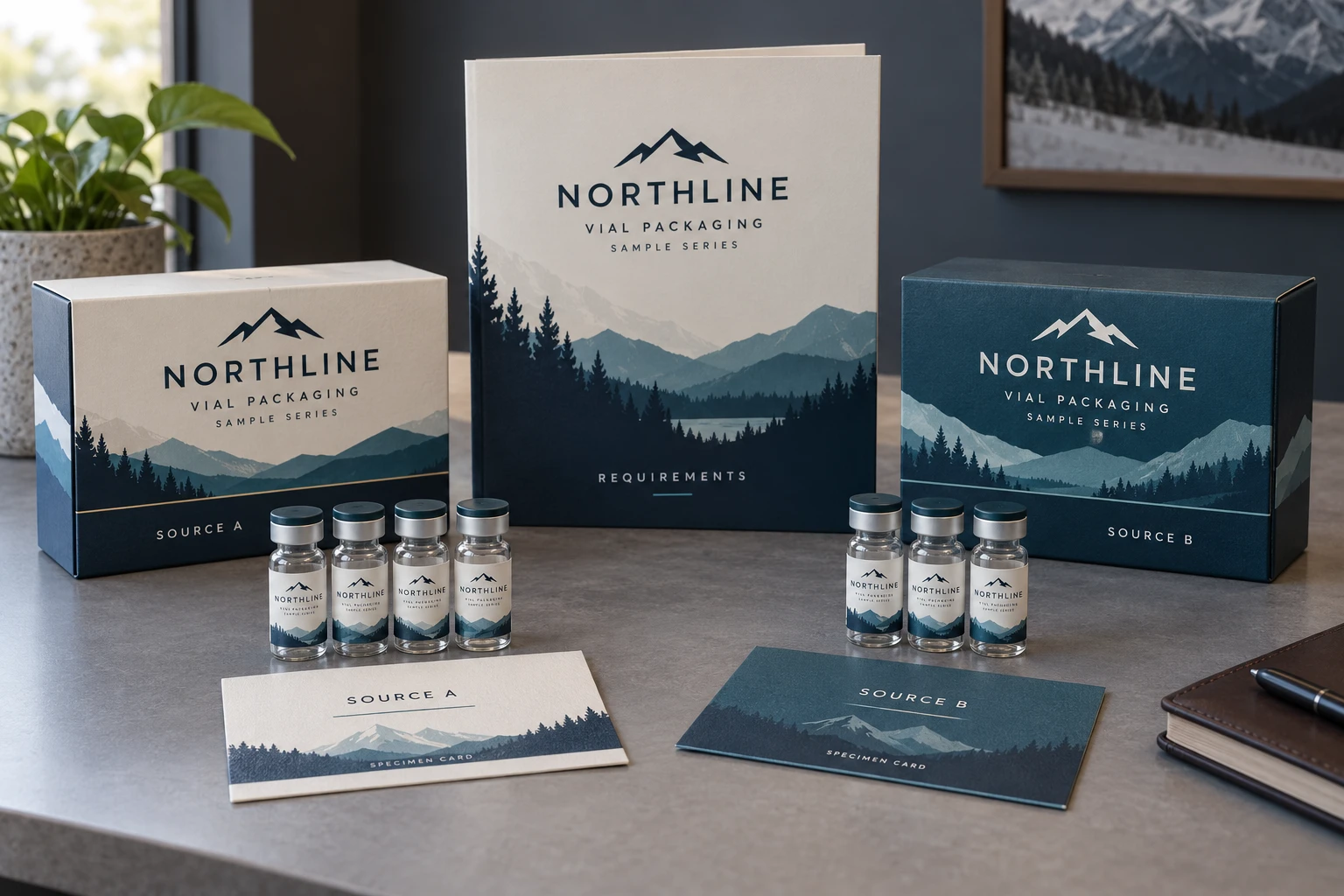
I would maintain a shared requirement with separate supplier-specific records. That lets the buyer accept meaningful equivalence without pretending the constructions are identical. It also prevents stock from two approved sources being mixed into one untraceable supply.
Define what must be common
Start with the actual buying task: approved wording, finished dimensions, appearance priorities, container, application method and delivery requirements. Identify which differences can be considered and which require another review. “Same quality” is too broad to guide either supplier.
For color, retain a meaningful accepted reference and agreed viewing basis. For application, identify the actual container and packer’s requirements. For delivery, define format, orientation and roll or sheet identification. A second source may meet these requirements through a different available construction, but that difference should remain visible.
Do not demand access to another supplier’s proprietary formulation as a substitute for defining the result. Provide authorized artwork and the information you control, and ask each supplier to identify its proposal and the evidence supporting it.
Keep one requirement and two approval records
| Shared requirement | Supplier-specific record | Why both are needed |
|---|---|---|
| Artwork and dimensions | Released file and revision acknowledged by that supplier | Prevents a shared master becoming different production versions |
| Intended appearance | Accepted physical sample and construction | Similar photographs do not establish the same finish |
| Container and use | Relevant sample or compatibility review | One source’s result does not automatically qualify another |
| Delivered format | Actual roll or sheet specification | The packer needs the supplied arrangement, not a generic label name |
| Commercial basis | Confirmed quantity, timing and quotation | Approval does not freeze future price or availability |
Name the records clearly, for example by source and construction reference. The particular naming system matters less than the ability to distinguish them at receiving and during a reorder. Avoid using “approved sample” for several unidentified objects in one drawer.
Review both sources on the same relevant task
Use the same intended vial and artwork where practical. Ask whether samples represent the actual proposed finished construction. Record any differences in finish, opacity or handling rather than forcing a single overall preference score to conceal them.
For custom vial label procurement, a useful inquiry states what must remain equivalent and what alternatives can be considered. It does not ask a new supplier to promise an exact reproduction of an unidentified old label from a photograph.
Keep a comparison proportionate to the task. A straightforward visual requirement may need a different review from a machine-dispensing dependency. Approval should cover the questions actually assessed, and unresolved requirements should stay open.
Two illustrative sourcing decisions
In one hypothetical project, both suppliers produce acceptable artwork and appearance, but only one delivered roll has been reviewed by the contract packer. The other is a promising candidate, not yet a fully interchangeable supply route. The buyer should resolve the missing delivery review before relying on it for a fixed packing slot.
In another project, two identified constructions meet the agreed task, but their subtle surface appearance differs. The brand intentionally accepts that difference and records which source supplied each run. This can be a workable arrangement without claiming that the two labels are physically identical.
These examples do not demonstrate actual supplier performance or a reduction in business risk. They show how the word backup can conceal different states: quoted, sampled, accepted for a limited task or released for the complete intended use.
Keep inventory identities after qualification
At receiving, preserve supplier, construction, artwork revision and stock references. If both sources use the same visible product name, external pack identification becomes particularly important. Do not combine loose rolls into an unmarked carton because both have been approved.
If the packer needs to know which construction is in use, include that information in the handoff. A change between accepted sources may still require confirmation of the relevant setup or conditions. The buyer should not infer an automatic interchangeability rule that the packer never approved.
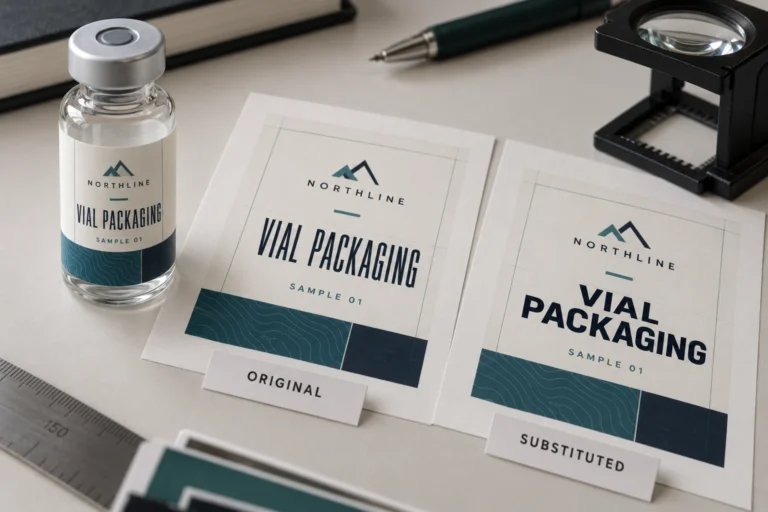
Track changes separately. If supplier A proposes another liner, review that change against A’s accepted record and the shared requirement. It should not silently alter supplier B’s record or become a general permission for future substitutions.
Give the simpler supply route a fair comparison
Dual sourcing brings coordination work. A small stable project may reasonably use one accepted supplier while maintaining an identified alternative candidate for future review. Another project may justify completing two qualified routes because its actual dependencies require them.
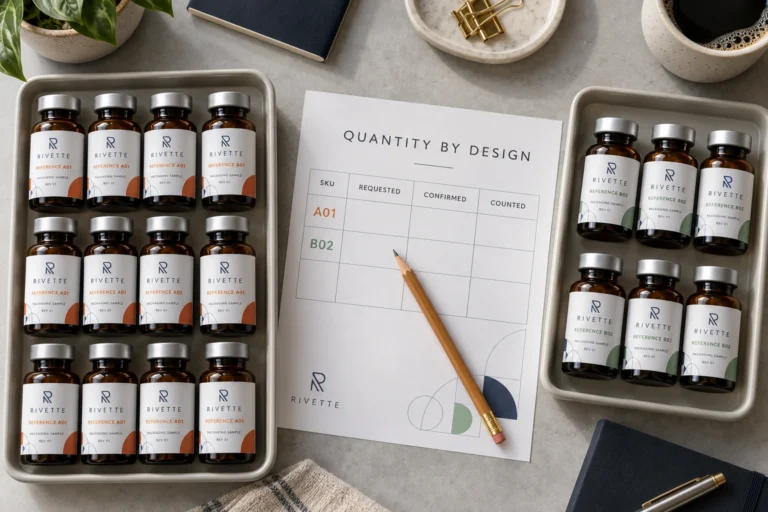
The decision should follow the project rather than the appearance of sophistication. Do not invent savings or assume that splitting a small quantity improves price, timing or availability. Obtain actual proposals, including quantity per design and any minimum or specification conditions.
Review the second-source status periodically against actual changes. A sample accepted long ago under another container or artwork is not automatically a current approval. Keep the record useful enough that a future buyer can see what remains valid without restarting from memory.
Frequently asked questions
Can both suppliers use one approved PDF?
Yes, where it is suitable and authorized, but each supplier should acknowledge the released revision and its production requirements. A shared PDF does not qualify construction or delivery compatibility.
Must the materials be identical?
Not necessarily. Define the required result and assess each identified proposal. Meaningful differences should be accepted explicitly rather than hidden behind a claim of sameness.
Does an accepted sample guarantee future availability?
No. Reconfirm the current quotation, construction and timing when ordering. Qualification and commercial availability are separate questions.
For the initial move to another print source, the supplier-transfer guide explains the authorized transfer pack before the two accepted source records are maintained in parallel.
Submit a shared requirement with source-specific gaps
For a second-source review, provide authorized artwork, vial details, accepted appearance reference, known construction, packer requirements and quantity per design. State which differences are acceptable and which approvals remain open. Ask for an identifiable proposal that can become its own qualified record.