Ordering Labels for a Supplement Bundle: Count Bottles and Selling Sets
Count the planned selling sets first, then list the labels consumed by every component inside each set. A two-bottle supplement bundle can require a label for bottle A, a different label for bottle B and a third label for the assembled pack. A request for “120 bundle labels” leaves the two bottle requirements open. Confirm whether they will arrive already labelled, be labelled for this project, or also be sold individually.
Make the bundle composition and approved identifiers part of the order brief. A fixed A+B selling set has its own product identity to resolve with the brand and receiving channel. Decide what the outer label is meant to identify and where it will be applied before comparing a label quote.
Define the selling unit before the print lines
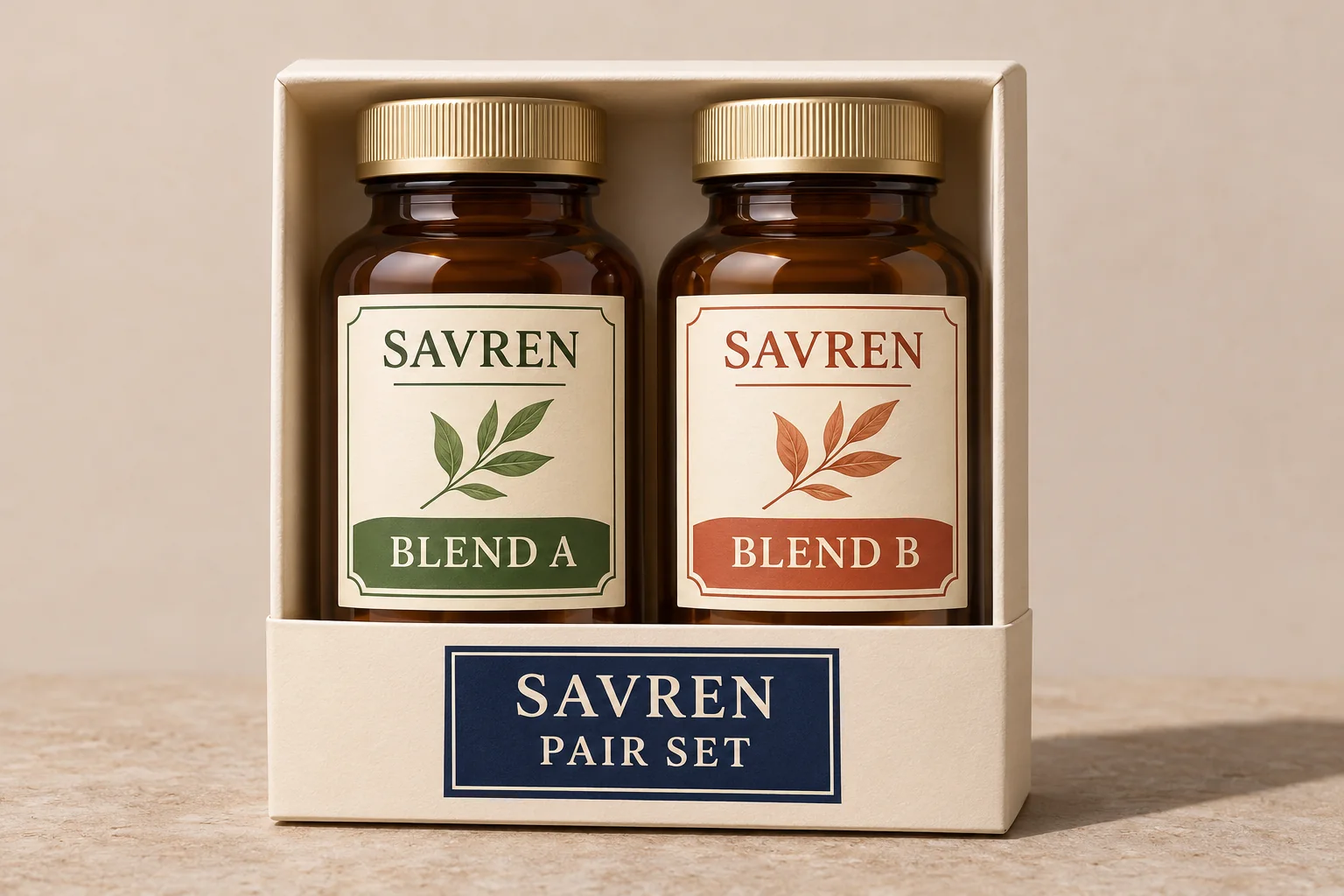
Ask the owner of the bundle to write its contents in plain language. For example, one finished Blend A bottle plus one finished Blend B bottle, assembled into one identified retail pack. List the container versions, component artwork revisions and outer packaging reference. If the contents can vary, stop and have the owner define which combinations are authorized and how the pack will identify them.
Keep the physical selling bundle distinct in the brief from a transport carton used to deliver individually sold bottles. The label quantity and identification job depend on that choice. The packaging owner and receiving party should confirm the information assigned to the completed set, including any required product identifiers.
GS1’s guidance on selling bundles explains that a new physical bundle needs a GTIN assigned by its creator, with the individual items retaining their own GTINs. It also says to use the existing GTIN for a manufacturer-defined bundle. Have the responsible identifier owner supply the approved values and code artwork. The printer needs those released assets and their placement instructions to prepare the label files.
Convert the pack plan into quantities per design
For each label, enter how many pieces are used in one finished set. Multiply that usage by the planned number of sets. Next check which components are already available in an approved labelled condition and allocated to this job. Add any separately authorized setup, sample or spare requirement as an identified quantity. Keep the underlying arithmetic visible when requesting a quote.
Here is an illustrative plan for 120 sets containing one A and one B bottle. The starting requirement assumes every bottle needs its main label applied for this job and every set uses one outer label. These are planning quantities before any agreed preparation allowance.
| Component in the approved set | Starting label requirement for 120 sets |
|---|---|
| One Blend A bottle with one A main label | 120 A labels, tied to the released A artwork |
| One Blend B bottle with one B main label | 120 B labels, tied to the released B artwork |
| One completed set with one outer set label | 120 outer labels, tied to the released set artwork |
| Additional label or seal specified by the pack owner | Add its actual use per set and confirm its separate purpose and approved design |
Suppose 40 approved, already-labelled A bottles are reserved for this packing job. They can reduce the new A-label requirement to 80 if the packing owner accepts those exact bottles and revisions for the set. The B and outer requirements stay at 120 in this example. Keep the 40 allocated bottles visible so the buyer avoids ordering them again for another plan. Existing loose labels would require a different stock record because application still has to happen.
RP Labels starts from 100 pieces, subject to the design and specification being confirmed. An 80-piece calculated shortfall therefore needs a commercial response. Ask whether the proposed replenishment can be supplied, whether an accepted larger quantity makes sense for later demand, or whether the packing plan needs revision. Confirm the quantity per design before placing the order. A combined total does not settle each line’s minimum or price.
Give the outer label an actual job
Show the outer packaging supplier and packer where the set label goes. It may identify a tray, band, sleeve or box face. Ask whether that face is available before or after the bottles are inserted and whether the label remains visible in the assembled selling pack. Check its dimensions against the actual component, including folds, openings and any surface transition.
An outer label can give the assembled set its own identifier while the bottles retain their approved main labels. Review which information must remain visible on each stage of the package with the buyer’s responsible reviewers. If the bundle opens and the band is discarded, the bottle labels still need to serve their assigned reading task. Keep product wording and market approval with the brand and its qualified advisers.
The tray or sleeve is a separate packaging component. Include its reference as context in the label enquiry and confirm its supply with the relevant provider. For labels that must show opening evidence, define that construction and the required observation separately from the set’s decorative or identification label.
Release the complete pack and its components
Lay the proposed printed labels beside an assembled representative set. Check each bottle against its approved artwork, then inspect the outer label and the finished pack identity. Confirm that the packing team can distinguish the A and B components, issue the right counts and use the specified outer stock. The label and carton coordination guide explains how to retain the linked file revisions.
If the contents, component revision or outer packaging changes, check the affected label quantities and approvals before issuing stock. Hold the order when the pack composition or supplied identifiers remain unresolved. A new outer label will otherwise commit the buyer to a selling set that the team has yet to define.
Start with custom supplement labels, then request a bundle label quote with the planned set quantity, contents per set, existing approved stock and separate label quantities. Include the bottle and outer label dimensions, released artwork and intended application step so the proposal can name every label line you need.