Comparing Label Samples Without the Sales Pitch: Record Observations First
Separate what you see from who supplied it
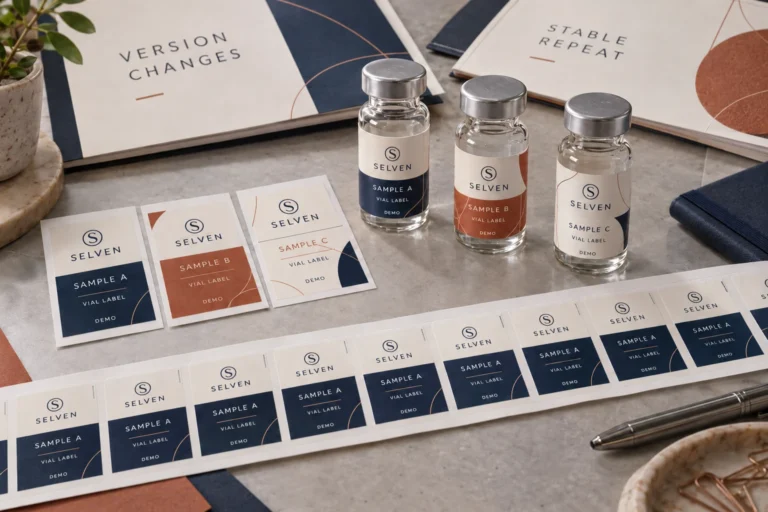
A familiar supplier’s sample feels reassuring before anyone checks the product-name field. Another sample looks more premium because its presentation folder is attractive. Before choosing, identify the actual purchasing criteria and record observations on the samples themselves.
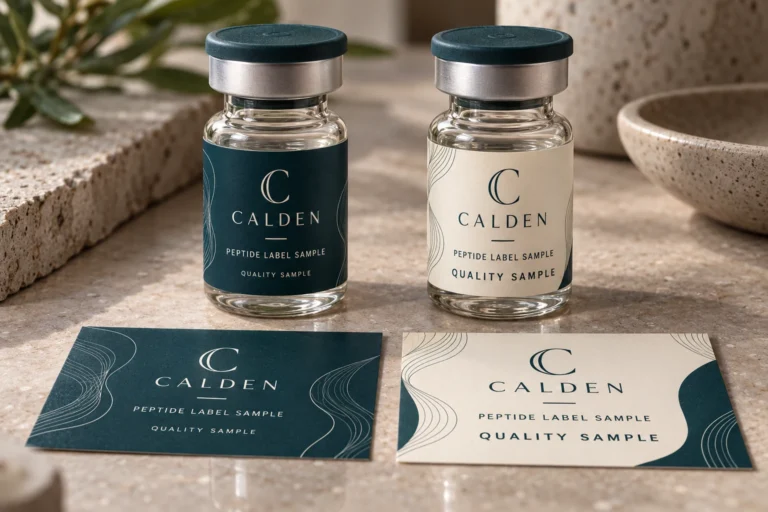
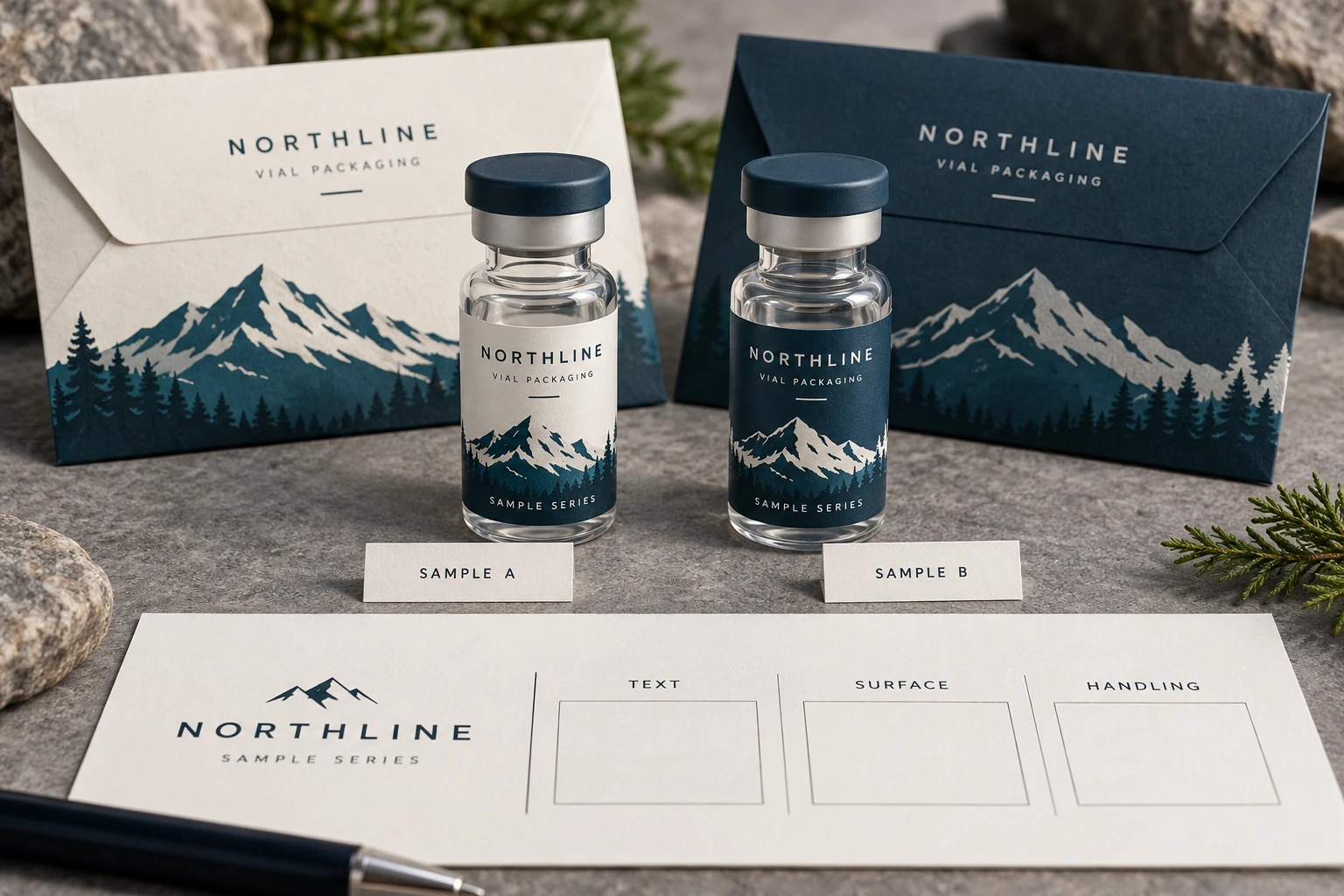
A simple comparison with neutral specimen codes can help the team discuss the task before the sales story. It does not create a scientific blind test or eliminate every bias. The useful outcome is a clearer record of why a sample suits the defined requirement.
Choose criteria before opening the presentation
List the important decisions: readable approved information, appearance on the actual vial, relevant handling and delivered format. Keep unrelated features outside the comparison unless they affect the task. A thicker sample is not automatically better if thickness was never a requirement.
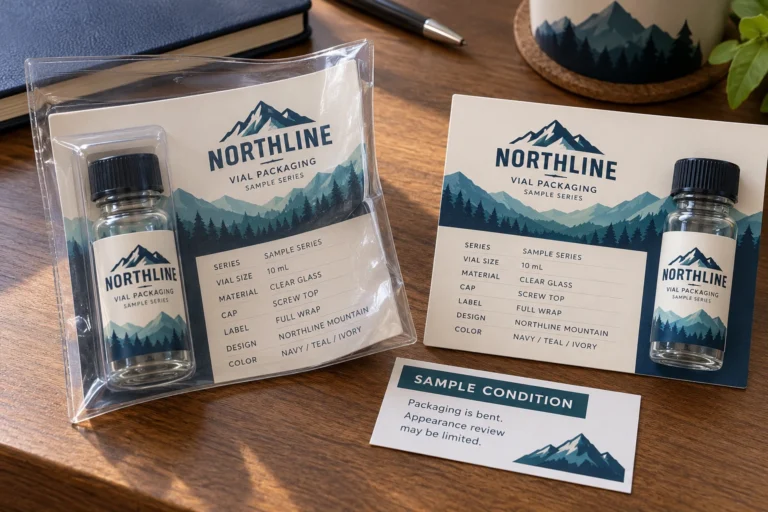
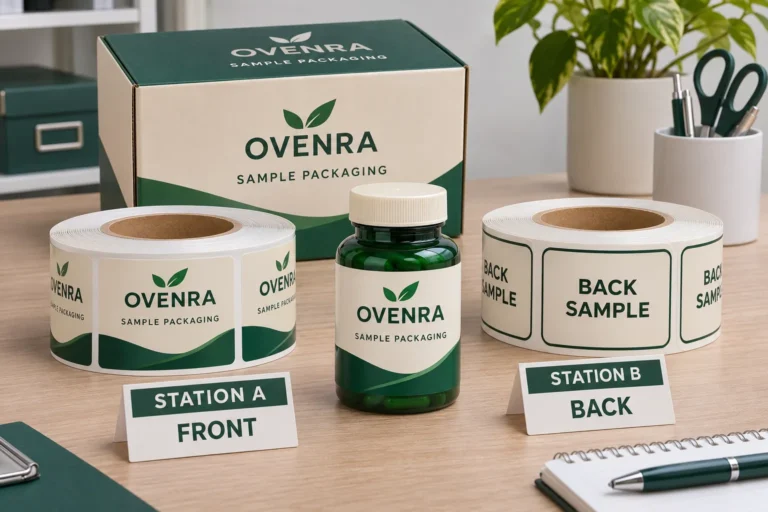
Identify what each specimen represents. A generic swatch, an artwork-specific printed label and a finished production reference are different evidence objects. Do not compare them as if only the supplier name changed.
Use neutral sample codes linked to a retained source key where practical. Keep all construction and scope information needed for responsible assessment available to the reviewer. Concealing a critical difference merely to make the comparison blind would make it less useful.
Record observations before preference
| Criterion | Useful descriptive note | Weak substitute |
|---|---|---|
| Reading task | Which field is readily found at actual size? | Looks professional |
| Surface appearance | What texture or reflection is visible under the agreed view? | Premium quality |
| Fit | How the outline relates to the intended label zone | Seems about right |
| Handling | What the intended operator actually observes | Should be faster |
| Evidence scope | What the specimen and documents represent | Supplier is well known |
After descriptive notes, record whether the observation meets the requirement and why. A preference can be legitimate, especially for brand appearance, but it should not be disguised as a measured performance result.
Keep the comparison conditions relevant
Use the intended vial and reasonably consistent viewing conditions where the task concerns package appearance. Ask the actual operator to review a handling feature. Keep sample identities and differences visible so the team can understand what changed.
For custom vial labels, ask for a defined proposal and relevant sample rather than selecting from an attractive assortment alone. The specimen should answer a purchasing question, and the supplier should confirm availability for the actual specification.
Do not assign invented productivity gains or error rates to an informal comparison. A note that one backing is easier for the reviewer to start under the observed task is different from claiming a percentage labor saving for the entire operation.
Two illustrative reviews
In one hypothetical comparison, the incumbent supplier’s presentation is familiar, but the neutral sample notes show that both candidates meet the actual reading and appearance task. The commercial choice can then consider confirmed price, timing and service scope without inventing a technical winner.
In another comparison, one sample uses a different artwork hierarchy and larger product name. Reviewers prefer its readability, but that does not prove its material is superior. The buyer should decide whether the useful layout can be applied to the appropriate available construction before attributing the whole difference to the supplier.
These examples illustrate reasoning, not measured outcomes. Neutral coding can support a fairer discussion, but the validity of the comparison still depends on relevant specimens, criteria and interpretation.
Reveal the commercial context after the descriptive review
Bring supplier identity, quotation and confirmed availability into the final decision. A visually preferred sample that is not offered for the project’s quantity or construction is not automatically a usable purchase. A slightly different accepted appearance may be reasonable when the complete proposal better serves the task.
Compare included work, sample scope, delivery and open requirements. Do not let a numerical preference score erase a critical unresolved item. Several attractive features cannot compensate for an unreviewed packer dependency that the order must satisfy.
A fair alternative can be retaining the current supplier when the proposed change adds no useful value. Another can be qualifying a new source where its actual proposal addresses a real requirement. The exercise should support the purchasing decision rather than manufacture a reason to switch.
Keep disagreement informative
If reviewers disagree, ask which task or observation differs. A brand reviewer may prioritize appearance while a packer focuses on handling. These can be separate requirements rather than evidence that one person is wrong.
Record who owns the final decision for each area and consolidate the approved scope. Do not average away a critical content or compatibility concern merely to produce one winner. Ask for additional evidence only where it resolves a meaningful disagreement.
Retain the accepted sample, source key, criteria and commercial proposal together. A future colleague should be able to understand the choice without repeating the sales presentation. The record does not prove future batches or other applications; it identifies the basis of this approval.
Frequently asked questions
Does neutral sample coding make the review scientific?
Not by itself. It can reduce the prominence of supplier identity, but the method, specimens and criteria still limit what the comparison can conclude. Describe the actual review honestly.
Should price be hidden until the end?
Separating descriptive observations from price can clarify the discussion, but the final purchase must consider the actual commercial proposal. Choose a process proportionate to the task.
Can the preferred sample become the final specification?
Only when its construction, artwork and scope are identified and the supplier confirms the actual proposal. An anonymous attractive specimen is not yet a reproducible order instruction.
Before comparing anonymous specimens, the sample-purpose guide helps establish what each one represents and whether they answer the same task.
Submit the decision criteria
For a sample-comparison inquiry, provide the actual vial, artwork, dimensions, quantity per design and the specific criteria you need to assess. Identify existing samples and their known differences. Ask which available specimens can support a fair comparison of the complete purchase.