A Barcode Verification Report Is Not a Phone Scan: Specify the Evidence Before Label Printing
A successful decode is useful, but it answers a limited question
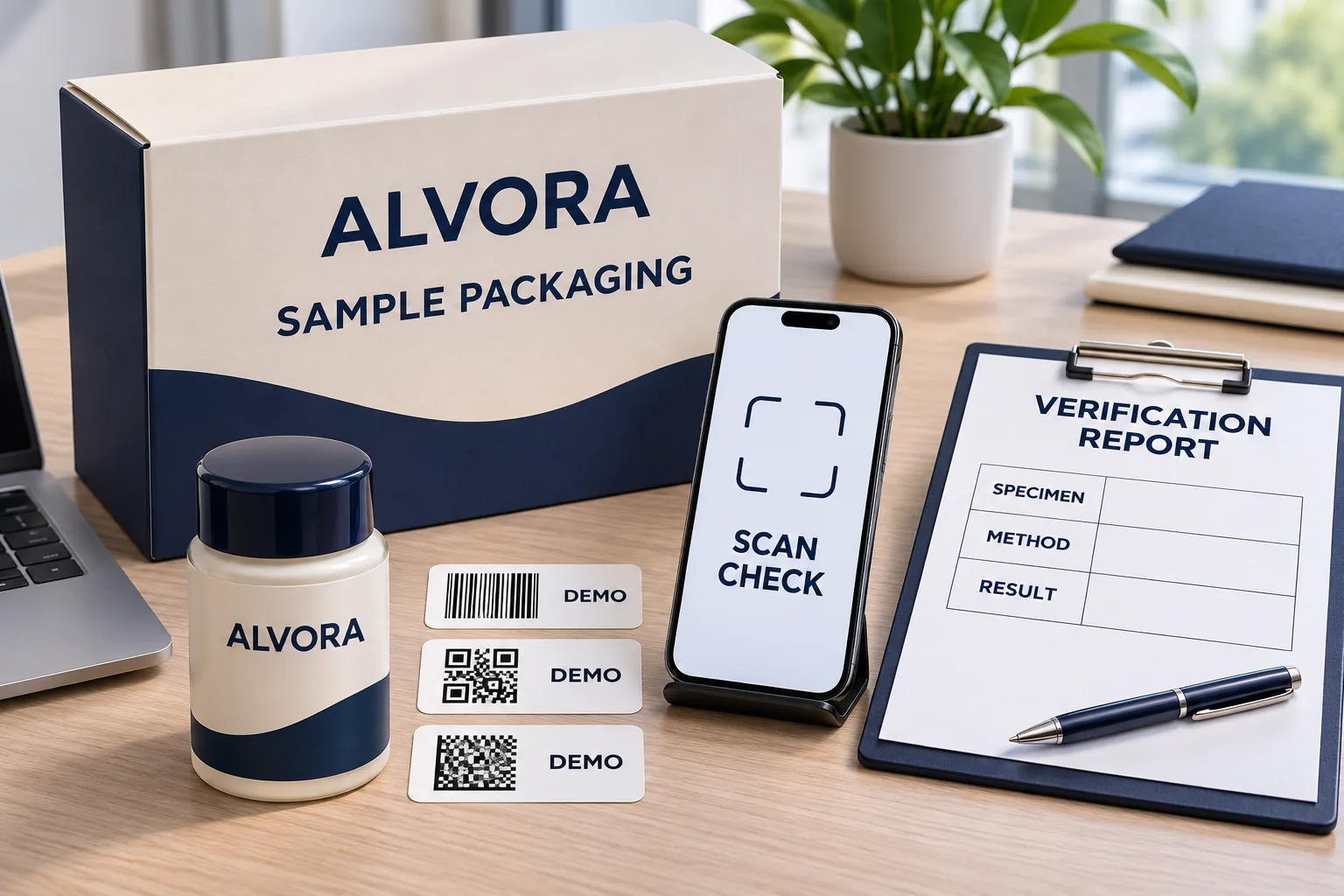
The phone reads the demonstration symbol, and the buyer forwards a screenshot marked barcode approved. That result shows that one device decoded that specimen in those conditions. It does not necessarily provide the print-quality evidence a retailer, packer or specification owner requires.
Before label printing, identify the actual acceptance requirement. Does the next party need a functional scan, a data-content comparison, a formal verification report or more than one of these? Use the requested evidence, rather than asking an ordinary scan screenshot to do every job.
Separate three records
A decode checks whether a particular reader obtains information from a symbol. A data comparison checks whether the obtained information agrees with its authorized source and displayed text. Print-quality verification uses an identified measurement method to assess the physical symbol against relevant criteria.
GS1 Greece distinguishes phone readability from barcode verification and describes verification methods for different symbol types. That distinction does not set a universal acceptance grade for every package. The responsible specification owner should identify the applicable requirements, report scope and acceptable provider.
This guide does not claim that RP Labels operates a verification laboratory, issues GS1 certification or guarantees acceptance by every scanner. Ask what evidence can be supplied and arrange additional assessment where the actual project requires it.
Ask the receiving party what it needs
Obtain the relevant specification or written requirement from the organization accepting the labels or finished package. Identify the symbol type, intended application and whether assessment concerns a flat label, the applied package or another defined specimen.
Do not copy a grade from an unrelated report. A number without the method, measurement conditions and intended requirement can be misleading. The appropriate technical party should explain how the report will be judged for the actual use.
Keep this separate from ownership or validity of an identifier. A symbol’s physical print quality, its encoded content and the business record associated with that identifier are related but distinct questions. Passing one does not automatically establish the others.
Prepare a report request that identifies the specimen
Use a short evidence brief before ordering an assessment or accepting a supplied report. Confirm the available service and any cost separately; the following fields are not an automatic supplier deliverable.
| Field | Question for the actual report |
|---|---|
| Specimen | Which label, artwork revision and construction were measured? |
| Package state | Was the symbol flat, applied or assessed in another defined state? |
| Method | Which applicable verification method and setup were used? |
| Result | What measurements and findings were actually reported? |
| Acceptance | Who compares the result with the project requirement? |
| Coverage | Does the report concern one specimen, an agreed set or another scope? |
| Change control | Which later changes could make the reference unrepresentative? |
Retain the complete report and specimen reference. A cropped image showing only a grade can remove the information needed to decide whether it applies. Do not rewrite a service provider’s report into a broader guarantee.
Keep applied-package effects visible
A report on a flat specimen may not answer a requirement about the symbol on a curved or reflective package. Ask which state the receiving party requires and what representative preparation is appropriate. Do not claim that a flat report predicts every bottle and lighting condition.
The small-vial code guide addresses practical placement and reading on the package. Those checks remain useful even where formal evidence is requested. They are not a replacement for the specified measurement record.
Similarly, the symbol-to-text comparison guide checks that the code and nearby human-readable identifier represent the authorized values. A well-printed wrong identifier can still create an incorrect label. Keep that content review beside the quality evidence.
Decide what a changed label requires
A revision to symbol size, background, printing, finish or placement can change what the previous specimen represents. Record the actual difference and ask the responsible technical party whether renewed assessment is needed. Do not assume a report belongs forever to a brand name.
If only unrelated wording changes, identify that limited revision rather than automatically declaring all previous evidence invalid. The purpose is an informed scope decision. A fresh report should address a real changed requirement, not simply add paperwork.
A supplier may offer a representative production sample for assessment, subject to the actual arrangement. Confirm when that sample is available and whether its results must be accepted before the main production release. Do not order a full run first while assuming an unarranged report will later justify it.
Two projects can require different evidence
Imagine an internal demonstration using a safe test symbol to check a draft layout and destination. A functional reading check may answer that early question. It should be labeled as a demonstration rather than a production verification result.
Now imagine a supply agreement that explicitly requires a report for an identified finished symbol. A phone scan does not replace that deliverable. The buyer needs the agreed specimen, assessment and acceptance record at the correct point in the release process.
These examples do not prescribe which requirement every business should adopt. Ask the organization owning the actual specification. An unnecessary formal report adds little when it addresses the wrong specimen or question, while omitting a required one leaves the release incomplete.
Questions before ordering
Can a phone scan replace verification?
Decoding in one setup does not establish formal print quality under a specified verification method.
Can a verified symbol encode the wrong value?
Print quality and content accuracy are separate. Compare the payload with the authorized source as well.
Which grade should I request?
Obtain the actual symbology, application and recipient requirements. This guide sets no universal grade.
Put the evidence requirement in the printing inquiry
For supplement packaging labels, use the project inquiry form with dimensions, quantity per design, approved symbol artwork or authorized data, package reference and the receiving party’s stated evidence requirement. Identify who approves the result. Agree what the supplier provides and what needs a separate assessment before treating a scan screenshot as final acceptance.